
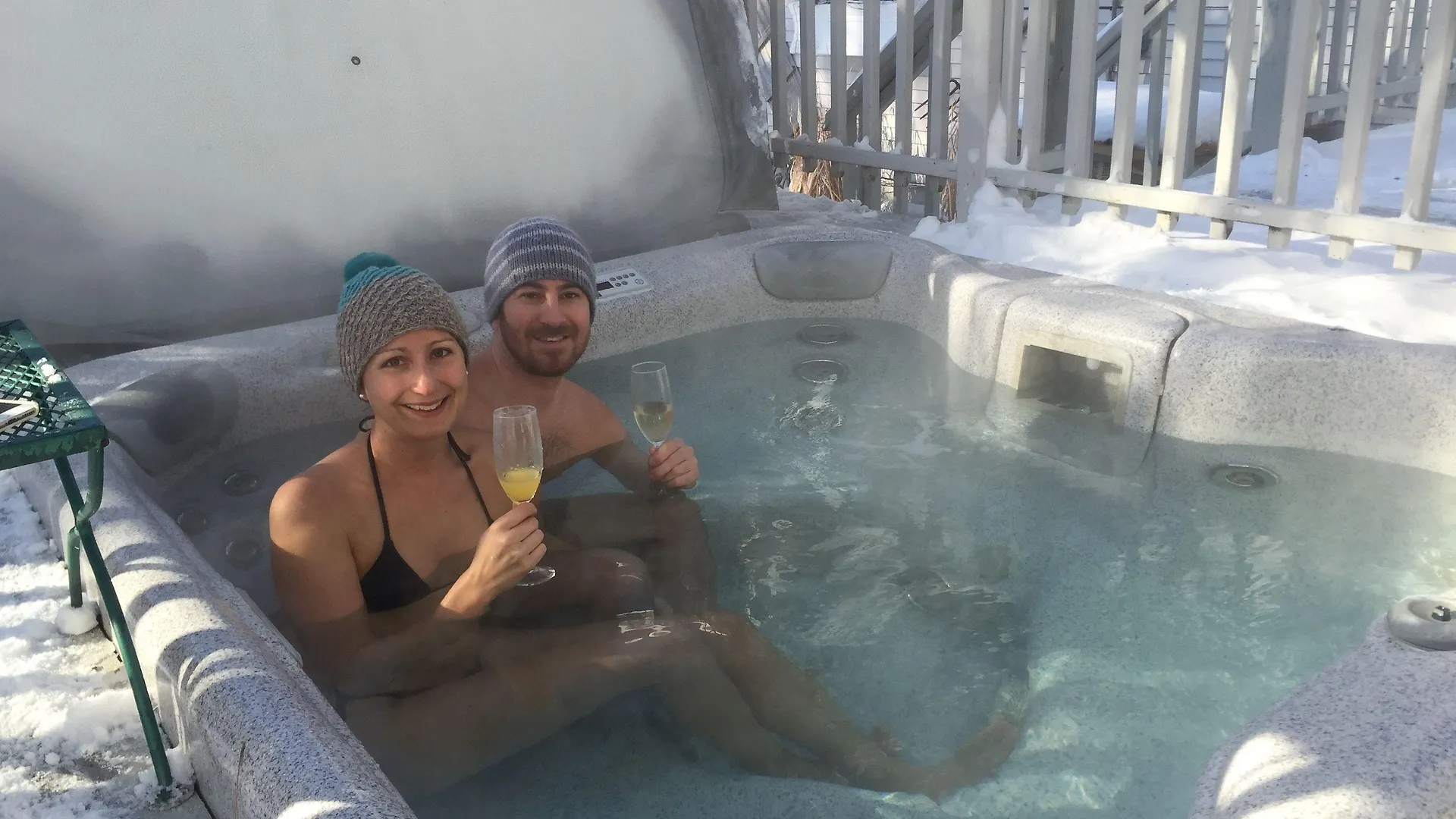
New England's spa hotel scene spans colonial inns with wellness wings, countryside resorts with award-winning wine cellars, and rural bed and breakfasts offering mountain-view hot tubs - all within a region compact enough to road-trip between states in a single day. Whether you're detoxing in Vermont's Northeast Kingdom, unwinding along Connecticut's Connecticut River Valley, or retreating to the forests outside Augusta, Maine, the six spa properties in this guide represent genuinely distinct stays across the region. This comparison covers location logic, wellness depth, and booking positioning to help you choose the right fit.
What It's Like Staying in New England
New England is a six-state region where autumn foliage, colonial history, and a deeply rural interior make it one of the most visited domestic travel destinations in the United States - but the experience varies sharply depending on where you stay. Vermont and Maine remain genuinely rural, with limited public transport and most attractions requiring a car, while Connecticut's shoreline and Massachusetts' Merrimack Valley offer more connected infrastructure. Crowd patterns follow a predictable seasonal rhythm: fall foliage season (late September through October) drives around 40% of annual leisure visits to Vermont alone, while summer months fill coastal Maine and Connecticut. Spa travelers specifically tend to book shoulder seasons - late winter and early spring - when rates drop and the countryside feels most private.
New England rewards guests who come prepared: road conditions in Vermont and northern Maine can be demanding in winter, and many smaller inns operate with limited front-desk hours. The region suits self-directed travelers who prioritize scenery, authenticity, and wellness over urban nightlife or dense cultural programming.
Pros:
- Exceptional natural scenery - mountains, forests, and coastline within short drives of each other
- Spa and wellness properties tend to be smaller, more intimate, and less crowded than resort-scale alternatives
- Strong culinary identity with farm-to-table dining, local maple syrup, and New England seafood built into many hotel experiences
Cons:
- A car is essentially mandatory across most of the region - rail and bus connections between rural spa properties are sparse
- Fall foliage season drives sharp price spikes, with some Vermont inns raising rates by around 40% in October
- Many boutique inns have limited room inventory, meaning last-minute booking during peak periods is genuinely difficult
Why Choose a Spa Hotel in New England
Spa hotels in New England occupy a distinct niche: they're rarely large resort complexes, and more often historic inns or converted farmhouses where wellness has been layered into a pre-existing character-rich property. This means guests typically get smaller room counts - often under 30 rooms - which translates to quieter corridors and more personalized service than a branded spa resort. Rates at New England spa inns typically include breakfast, which adds real daily value compared to urban hotels where food is priced separately. Mid-range wellness stays in Vermont and Maine generally run around $200-$350 per night, while premium properties like a Four-Diamond-rated countryside resort can exceed $400.
The trade-off is access: most New England spa hotels are positioned in rural or semi-rural settings where the nearest town may be small, dining options outside the property are limited, and evening entertainment is quiet by design. This suits couples and solo wellness travelers explicitly seeking disconnection, but less so guests expecting resort-scale amenities like multiple pools or large fitness facilities.
Pros:
- Smaller room counts mean genuinely quieter stays and more attentive on-site service
- Breakfast inclusion is standard across most New England spa inns, reducing daily spend
- Proximity to hiking trails, ski areas, and natural reserves is built into most properties' location strategy
Cons:
- Rural positioning makes these properties car-dependent - airport transfers can involve 60 to 90 minutes of driving
- Spa facilities vary significantly: some inns offer only a hot tub and sauna, while others maintain full treatment menus and heated pools
- Limited on-site dining at smaller properties means early check-in arrivals may have few food options nearby
Practical Booking & Area Strategy
New England's spa hotel geography breaks into three practical clusters: Vermont's southern and northern corridors (Wilmington and Montgomery Center), the Connecticut River Valley in Connecticut (Ivoryton), Massachusetts' Merrimack Valley (Tyngsborough area), and central Maine near Augusta. Wilmington, Vermont, sits within reach of Mount Snow ski resort and Harriman Reservoir, making it a strong base for both winter and summer wellness stays. Montgomery Center, in Vermont's far north, offers near-total rural isolation - the closest major airport, Burlington International, is around 93 km away, so guests should plan arrival logistics carefully.
In Connecticut, Ivoryton positions guests within driving reach of the Thimble Islands, Mystic Seaport, and the Connecticut shoreline, giving spa stays a cultural dimension that purely rural Vermont properties lack. Along the Massachusetts-New Hampshire border, the Merrimack Valley provides highway access to Boston (around 50 km south) while still delivering countryside quiet. Book at least 8 weeks ahead for October stays anywhere in Vermont - last-minute availability essentially disappears during foliage season. For Maine's Augusta area, the shoulder seasons of May and September offer the best balance of pricing, trail access, and availability.
Best Value Spa Stays
These properties deliver strong wellness value relative to their pricing, combining genuine spa amenities with strong breakfast inclusions and natural surroundings - without the premium rate tier of the region's flagship resort properties.
-
1. The White House Inn
Show on map


 Check-infrom 16:00 until 20:00Check-outfrom 08:00 until 11:00
Just a few rooms left at the best rate!
fromUS$ 134
-
2. Phineas Swann Inn & Spa
Show on map


 Check-infrom 15:00 until 23:59Check-outuntil 11:00
Just a few rooms left at the best rate!
fromUS$ 219
-
3. Maple Hill Farm Inn
Show on map


 Check-infrom 15:00 until 20:00Check-outfrom 06:00 until 11:00
Hurry – almost gone at this price!
fromUS$ 312
Best Premium Spa Stays
These properties represent New England's upper tier for spa travel - combining full-service wellness facilities, refined dining, and strong design credentials with locations that offer cultural or scenic depth beyond the property itself.
-
4. Copper Beech Inn
Show on map


 Check-infrom 15:00 until 22:00Check-outuntil 11:00
Hurry – almost gone at this price!
fromUS$ 179
-
5. Chateau Merrimack Hotel & Spa
Show on map


 Check-infrom 16:00 until 23:30Check-outuntil 11:00
Rooms filling fast – secure the best rate!
fromUS$ 159
-
6. Howard Johnson By Wyndham Amherst Hadley
Show on map


 Check-infrom 15:00 until 23:59Check-outuntil 12:00
Rooms filling fast – secure the best rate!
fromUS$ 78
Smart Travel & Timing Advice for New England Spa Hotels
New England's wellness travel calendar has clear peaks and valleys worth planning around. October is the single most expensive month across Vermont and much of the region - foliage demand drives up rates at Phineas Swann, The White House Inn, and Chateau Merrimack simultaneously, and availability shrinks fast. Guests targeting Vermont spa stays should book at least 8 weeks in advance for any October dates. January through March is ski season in Vermont, which keeps northern properties like Phineas Swann busy on weekends but quieter midweek - midweek winter stays often offer the best combination of value, trail access, and spa availability.
For Connecticut and Massachusetts spa properties, late spring (May-June) and early fall (September) represent the sweet spot: temperatures are mild, crowds are lighter than summer, and rates haven't hit their foliage-season peak. A minimum of two nights is strongly recommended at any of these properties - one-night stays don't allow sufficient time to use spa facilities meaningfully and often cost more per night due to minimum-stay pricing during shoulder periods. Maine's Augusta area is calmest in May and September, when fishing, canoeing, and trail conditions are optimal and the property is unlikely to be fully booked.


